
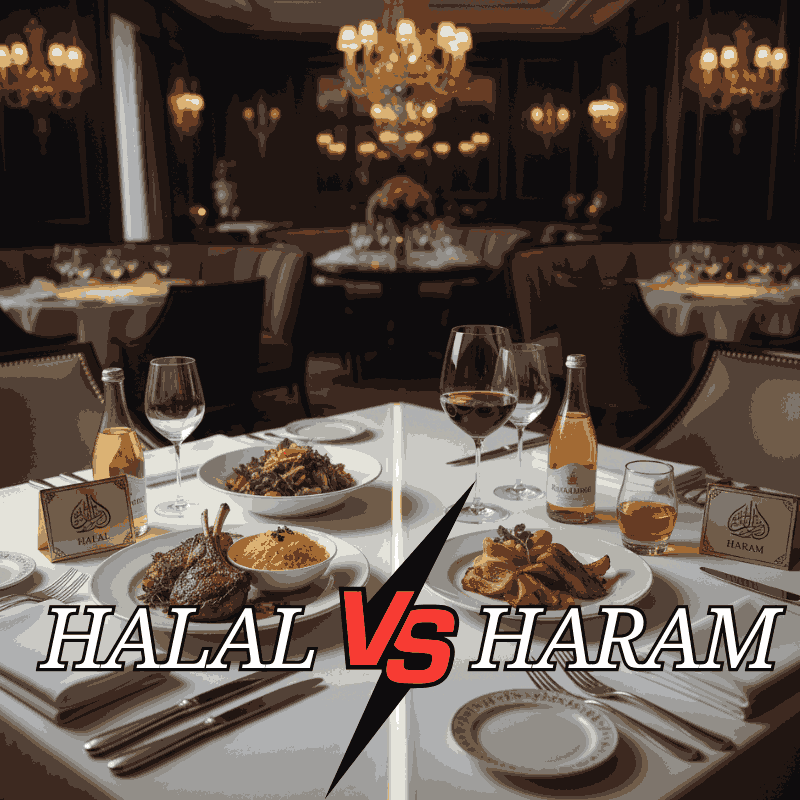
Why Halal Matters Today
The conversation around halal food has grown far beyond religious communities — it’s now part of global food safety, transparency, and trust. From supermarkets in the U.S. and Europe to food stalls in Asia, consumers want to know: What is halal? What is haram? What are haram items?
For Muslims, halal compliance is a matter of faith. For food companies, it’s a matter of credibility and market access. And for everyday consumers — Muslim or not — it’s about assurance, ethical sourcing, and quality.
What Is Halal?
The word halal simply means “permissible” in Arabic. When it comes to food, it refers to items that are allowed under Islamic dietary laws (Shariah).
Examples of halal foods and drinks:
- Fresh fruits, vegetables, grains, and legumes.
- Seafood (most varieties).
- Meat and poultry — if slaughtered according to halal guidelines.
- Dairy products without haram additives.
The global demand for halal-certified products is rising, even among non-Muslims, because halal is associated with cleanliness, ethical treatment of animals, and quality assurance.
What Is Haram?
Haram means “forbidden”. These are items that Muslims cannot consume under any circumstances.
Common haram items include:
- Pork and pork derivatives: bacon, ham, lard, gelatin made from pigs.
- Alcohol and intoxicants: beer, wine, liquor, and even some cooking extracts with alcohol.
- Improperly slaughtered animals: if the animal wasn’t slaughtered per halal requirements.
- Cross-contamination: food cooked with haram oils or utensils previously used for pork or alcohol.
Even small traces of haram substances can render a product impermissible, which is why halal compliance is taken so seriously.
What Is Mashbooh? (The Doubtful Category)
Not everything is clearly halal or haram. That’s where mashbooh — the doubtful or questionable category — comes in.
Examples of mashbooh foods:
- E-numbers & additives: Some food colorings, stabilizers, or emulsifiers have animal origins.
- Gelatin & enzymes: Without knowing whether they come from halal or haram sources, their status remains unclear.
- Processed foods: If sourcing isn’t disclosed, products may fall under mashbooh.
Most consumers prefer to avoid mashbooh items until clarification is given — making halal certification even more important.
Not sure if an ingredient is halal, haram, or mashbooh? Try the Halal Food Ingredient Checker to quickly verify additives, E-numbers, and other hidden components.
Why Does a Food Company Need Halal Certification?
With more than 1.9 billion Muslims worldwide, halal certification is not optional — it’s a business necessity for food brands.
Reasons companies seek halal certification:
- Builds trust and credibility with Muslim consumers.
- Ensures compliance with religious dietary laws.
- Opens doors to lucrative international markets like the Middle East, Southeast Asia, and Europe.
- Provides a competitive advantage in both Muslim-majority and minority regions.
Halal Certification for Vegetarian Foods, Spices & Plant-Based Products
A common misconception is that vegetarian or plant-based foods are automatically halal. But this isn’t always true.
❌ Potential issues include:
- Cross-contamination during processing.
- Additives or flavorings derived from haram sources.
- Alcohol-based preservatives used in sauces or spice blends.
👉 That’s why halal certification matters even for:
- Vegetarian foods (frozen meals, snacks, sauces).
- Spices and condiments (which may contain alcohol carriers).
- Plant-based alternatives (vegan meats may use haram additives if not certified).
For brands, using a tool like the Halal Food Ingredient Checker can simplify compliance by identifying doubtful ingredients before certification.
Benefits of Halal Certification
Halal certification provides value far beyond compliance:
Key benefits include:
- Consumer trust: Muslims and non-Muslims alike view halal as a mark of quality.
- Market access: Certified products can enter halal-focused markets globally.
- Transparency: Shows clear sourcing and clean production processes.
- Higher sales potential: Demand for halal products continues to grow every year.
Even vegetarian foods and spices may contain hidden additives—using the Halal Food Ingredient Checker helps ensure transparency and consumer confidence.
FAQs About Halal and Haram
Is all vegetarian food halal?
Not always. While most vegetarian foods avoid meat, they may contain haram additives or cross-contamination.
Can spices be haram?
Yes. If alcohol or non-halal flavor carriers are used, spices can become haram.
What makes food mashbooh?
Unclear sourcing of ingredients like gelatin, enzymes, or E-numbers makes food mashbooh.
Why do non-Muslim countries certify halal products?
Because halal certification boosts exports and consumer trust in global markets.
Conclusion: The Growing Importance of Halal Awareness
Understanding halal, haram, and mashbooh foods is essential for consumers and businesses alike. Halal certification eliminates doubt, ensures compliance, and opens doors to new opportunities.
As awareness spreads, halal isn’t just a religious requirement — it’s a global quality standard that benefits everyone.
Whether you’re a consumer or a food business, tools like the Halal Food Ingredient Checker make it easier to avoid haram and mashbooh ingredients, ensuring true halal compliance.